A psychologist’s field notes on working in tech.
You know what you should do. So why is it so hard to start? Weekly observations on the hidden rules shaping how designers work.
↓
By Stefan Vilar Markiewicz
Product Design Manager · MA in Psychology
The working premise
Not another productivity trick. A closer look at what keeps repeating.
./field-notes
THE AUTOPILOT PROBLEM · 05 APR 2026
You shipped 47 screens last quarter. Your colleague shipped 12. Your colleague got the promotion. This issue is about the fallacy that keeps talented designers trapped in the high-effort, low-leverage quadrant — and the matrix that shows you where the real value lives.
STAKEHOLDER PSYCHOLOGY · 22 MAR 2026
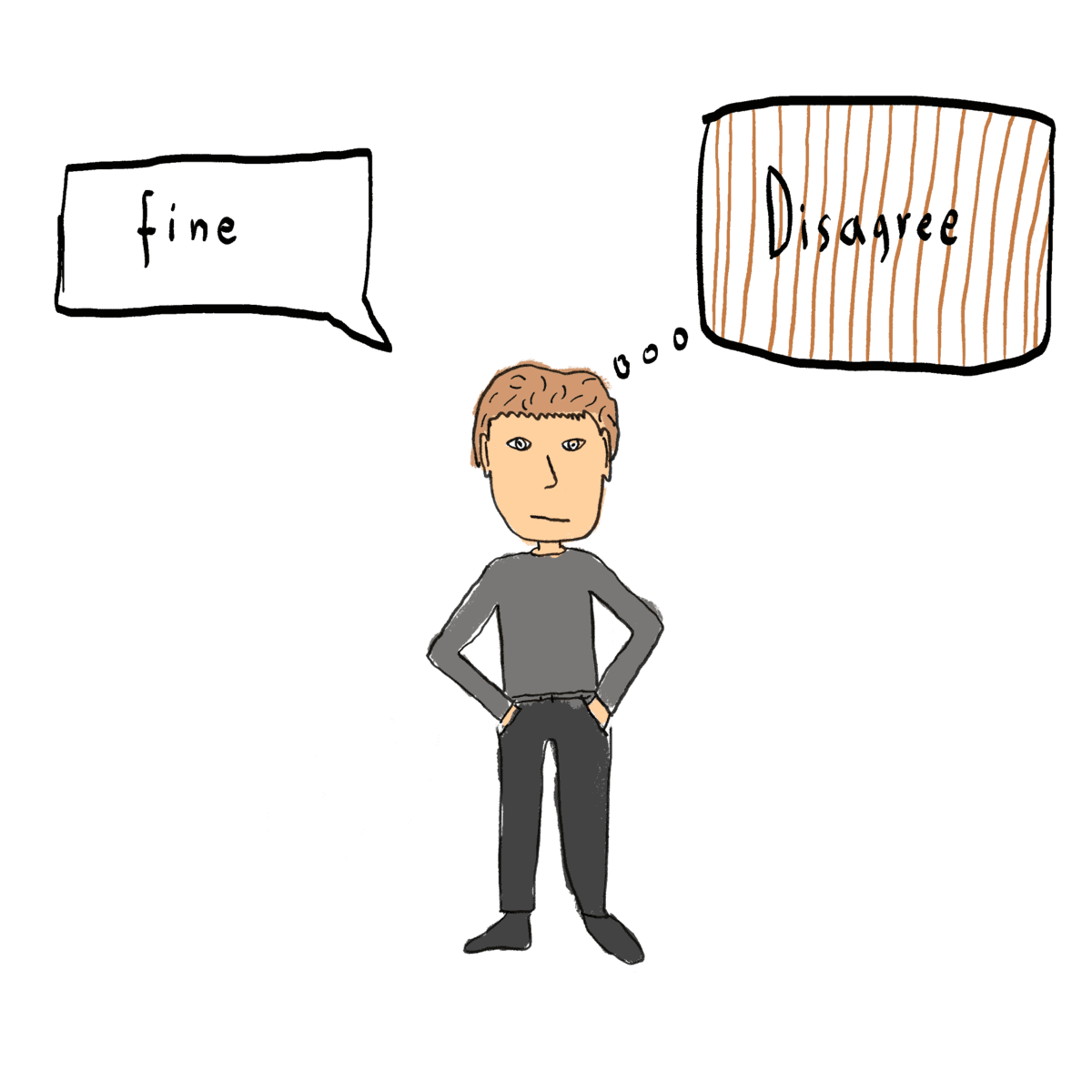
Theres a personality trait that predicts career stagnation better than almost anything else — and most designers mistake it for a virtue. Its not imposter syndrome. Its not a lack of strategic skill. Its something quieter and harder to see. This issue is about the moment I sat in a design review, knew the PM was wrong, and said "sounds good" anyway.
BUSINESS-FLUENT DESIGN · 15 MAR 2026
Youve just presented a recommendation based on user interviews and heuristic analysis. The engineering lead says: "Interesting, but do you have quantitative data?" You dont — because the kind of data theyre asking for would require a six\-week experiment youll never get approved. This issue gives you the language to name the pattern and the playbook to respond.
THE INTENTIONAL CAREER · 08 MAR 2026
You've been at your company for two years. The work is fine. But youve started developing a story: design doesnt matter here. Your PM doesnt listen. Youve stopped trying new things because "whats the point?" This issue is about the two operating systems running underneath your career — and how to check which one you`re on.
./the-observer
I'm Stefan Vilar Markiewicz — a Product Design Manager in Porto with a master's in psychology and a postgraduate in UX research. I still lead design work full-time. A lot of what I write starts from noticing my own patterns — I track them with a simple ACT-style log I built for myself.
./pillars
Stakeholder Psychology
How PMs think, why engineers resist, and the behavioral science behind getting buy-in without formal authority.
Business-Fluent Design
Translating design decisions into the language of retention, risk, and revenue — the vocabulary that gets you heard in strategy meetings.
The Intentional Career
The psychological work of deciding who you want to become professionally — not just collecting frameworks, but building the identity to use them.
The Autopilot Problem
How attention gets hijacked, why decisions happen before you notice you're making them, and what it takes to actually catch the moment of choice.
./work-with-me
Everything here runs on one lens: the behaviour is downstream of the pattern. Some of this work is inner — seeing what's actually running you. Some of it is outer — the reps that change how you operate. Most people need both.
FLAGSHIP · PRIVATE COHORT
An eight-session rehearsal program for UI designers who want to work further upstream — on the work already on your plate. One rep per session, on your live project. Currently running as a closed pilot.
1:1 · OPEN
Two focused sessions (60 min + 30 min) with someone whose background is psychology and whose day job is product design. We name the pattern underneath the stuckness, you leave with a written clarity document, and one concrete move. €150.
ENTRY POINT · OPEN
One hour on how your CV and portfolio read to someone who regularly reviews design applications. I review both beforehand, we clarify what role you're actually going for, and you leave with written takeaways. €120 for the first five, then €180.
One observation, each week.
One issue per week. A psychological pattern you didn’t know was running your career — and a framework to interrupt it.
Subscribe
↗
Field notes on psychology & product strategy. No fluff. No Figma tutorials.
ListenIn Labs
A psychologist’s field notes on working in tech.